مطالعۀ تأثیرات نقاشی اروپایی بر دیوارنگاره های خانه تاریخی سوکیاس در اصفهان
مهدی رازانی*۱ 
 ، کاظم دانش۲
۱- دانشکدۀ هنرهای کاربردی، دانشگاه هنر اسلامی تبریز، تبریز، ایران ، m.razani@tabriziau.ac.ir
۲- دانشکدۀ هنرهای صناعی، دانشگاه هنر اسلامی تبریز، تبریز، ایران
چکیده: (۱۵۶۸ مشاهده)
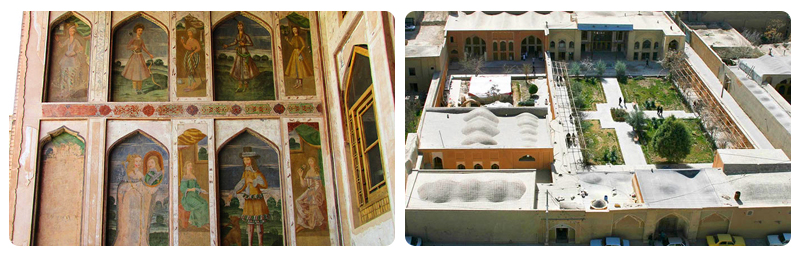
اصفهان از دورۀ شاهعباس اول به بعد، بهواسطۀ انتقال پایتخت، کوچ و اسکان هزاران ارمنی در منطقۀ غرب اصفهان و رفتوآمدهای روزافزون اروپائیان از مهمترین شهرهای قلمرو ایران اسلامی به شمار میرفت. پایتختی پررونق که ساخت ابنیههای شکوهمند نظیر مساجد، قصرها، خانه ها و غیره در آن، اجتنابناپذیر مینمود. ازاینرو خانههای تاریخی جلفای نو در اصفهان در دورۀ صفوی، به سبب تزئینات برجستۀ معماری خود که طی فرآیند گسترش تعاملات اروپایی و بهتبع آن، حضور نقاشان خارجی قرارگرفته است، شایستۀ انجام مطالعات و بررسیهای دقیق علمی- پژوهشی هستند. موضوع مهمی که در تزیینات نقاشی خانهها شاهد آن هستیم، تأثیر موضوع نقاشی ها از نقاشیهای فرنگی است که بهوفور در بسیاری از خانه های تاریخی دیده میشود. خانۀ سوکیاس- از ابنیۀ مهم جلفای نو- بهنوبۀ خود، دارای تزئیناتی به سبک فرنگی سازی است، بهویژه نقاشیهای منحصربهفردی که خبر از حضور محتمل نخستین نقاشان فرنگی ساز در اصفهانِ عصر صفوی میدهد. این مقاله، ضمن اشارۀ مفصل به تزئینات، با هدف شناخت نقاشیهای دیواری فرنگی سازی خانۀ سوکیاس اصفهان و مقایسۀ تطبیقی آنها با نقاشیهای اروپایی، به خصوص گراورهای منسوب به فرانسوا مازو، به عنوان بخشی از منابع مورد تقلید نقاشیهای فرنگی سازی در این خانۀ تاریخی، به نگارش درآمده است. سئوالات پژوهش پیش رو عبارت هستند از: مهمترین منابع اقتباس نقاشیهای دیواری فرهنگی خانه سوکیاس کدام هستند؟ وجوه اشتراک این نقاشیها با گراورها و نقاشیهای وارداتی این دوره چیست؟ گردآوری اطلاعات، بهصورت مطالعات کتابخانهای و فیشبرداری و نیز حضور میدانی در محل، مشاهدۀ دقیق و عکسبرداری از خانۀ تاریخی سوکیاس بوده و روش تحقیق نیز ترکیبی از روش های تحلیلی، توصیفی و تطبیقی است. با توجه به یافتهها از مهمترین منابع دیوارنگارههای کوشک سوکیاس می توان از گراورها و نقاشی های فرانسوا مازو فرانسوی که در این دوره به ایران وارد میشدند، نام برد. در مورد وجوه اشتراک موضوعی با نقاشی ها هم می توان به ترسیم تک پیکره هایی با لباس و زیور اروپایی و همچنین مجالس مهمانی، بزم و غیره به شیوۀ مهمانی های اروپای غربی اشاره کرد.
واژههای کلیدی: جلفای اصفهان، خانۀ سوکیاس، نقاشی اروپایی، نقاشی ارامنه، دیوارنگاری مکتب اصفهان، فرانسوا مازو
دریافت مقاله اینجا
Studying the Effects of European Painting on the Murals of the Historical Sokias House in Isfahan, Iran
Mehdi Razani *1 , Kazem Danesh2
1- Faculty of Applied Arts, Tabriz Islamic Art University, Tabriz, Iran , m.razani@tabriziau.ac.ir
2- Faculty of Islamic Handicrafts, Tabriz Islamic Art University, Tabriz, Iran
Abstract
During the reign of Shah Abbas, I and beyond, Isfahan emerged as a preeminent cultural and political center within Safavid Iran, shaped by the relocation of the capital, the resettlement of thousands of Armenians in the New Jolfa district, and increasing interactions with Europe. This period witnessed the rise of a vibrant capital adorned with architectural masterpieces, including mosques, palaces, bridges, and residences. The historic homes of New Jolfa, particularly the Sokias House, stand out for their intricate decorative schemes, which reflect a synthesis of Safavid architectural traditions and European artistic influences. This study examines the murals of the Sokias House, focusing on their stylistic connections to European painting, with particular emphasis on the engravings of the seventeenth-century French artist François Mazut. Through a combination of archival research, field observations, photography, and comparative analysis, this paper categorizes the house’s adornments and explores the broader impact of European art on Safavid mural painting. Limited access to primary sources necessitated reliance on secondary literature, travelogues, and firsthand documentation of the site. The findings underscore the profound influence of French gravure techniques on
the Sokias murals, offering new insights into the cross-cultural exchanges of the Safavid era.
keywords: New Jolfa, Sokias House, European mural painting, Armenian mural painting, Safavid architecture, Isfahan School, François Mazut



 In this review article, we discuss the challenges and methods of dating ancient lime mortars using radiocarbon dating. The article highlights the difficulties in dating ancient lime mortars and the development of new methods to overcome these challenges. One of the approaches investigated for many years was the collection of different gas phases from the reaction of lime mortar with acid in order to date them. They conducted experiments to remove the effect of fossilized limestone or dead carbon. The mortar was washed with water and converted into smaller particles to create a suspension, which was then treated with alcohol to obtain particles in specific size ranges. The resulting micro powders were dried, and the gas phase produced from their reaction with phosphoric acid was collected and analyzed. The article includes challenges such as the difficulty in separating and dating the carbonate fraction of traditional mortars and the requirement for pre-screening methods. The most important strategies for dating mortars are categorized as accurate structural characterization of the mortar sample, examination of different carbonate fractions, proper separation of the mortar, and accurate measurement of 14C. Despite all efforts done up to today, finding a pure sample of lime mortar continues to be a challenge. In 2011, a new method called Cryo2SoniC was proposed and tested on artificial laboratory samples. The results were promising, leading to further experiments using the Cryo2SoniC method in various institutions and universities since 2013.
 Welcome to the blog of Dr. Mehdi Razani, an expert in the conservation and archaeometry of cultural heritage. Here you will find his latest writings and articles related to the fascinating fields of Iran's art and cultural heritage sciences. Join us on this thrilling journey