The Study of Tomb Tower Attributed to Shaikh Haydar from Meshkin Shahr (Architecture, Decorations & Historical Attribution)

Nemani Khiavi, L., Razani, M.*, Haydari Babakamal, Y.
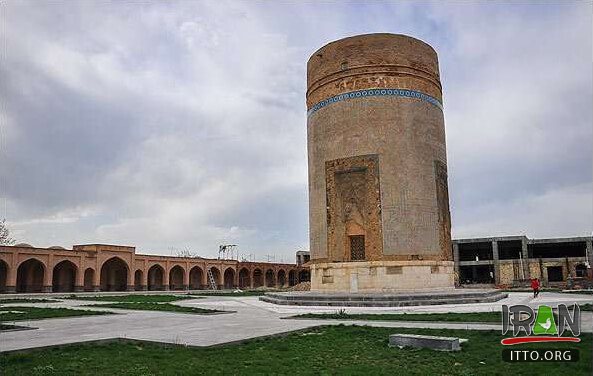
Abstract
Recognizing the primary nature and verifying the attribution of religious tombs in Iran is a challenging issue because, in many of them, there is no reliable evidence that can accurately determine the nature of the tomb, in other words, the building is attributed to either name of a historical personality (mistakenly) or is denominated by the name of the city which is placed. Among them, can mention the tomb attributed to Sheikh Haidar in Meshkinshahr, Ardabil province, which was known as the tomb of Sheikh Haidar, but today, referring to historical documents and books, it’s been more than a century that the attribution of this tomb has been considered suspicious. The purpose of this research is a historical and stylistic inspection with a historical evolution approach to finding the originality, history, type of structure, used materials, date of restoration, and reconstruction. In the present study, which is analytical, descriptive, and based on field and library, in addition to etermining the identity of the founders of the building and its attribution in various historical sources, Also doing comparative studies with similar works in Iran and abroad, the Construction date of the monument is been estimated. Studies prove that the building dates back to the Ilkhanid period and beyond; Reading the inscription of the building and also the date of Sheikh Haidar’s death do not correspond to each other, so it seems that the hypothesis is that Sheikh Haidar’s body was buried in this building for some time until finally another part of the body was transferred from Tabasaran village of Russia to present-day Iran. And in general, it will be buried in the collection of Sheikh Safi al-Din Ardabili, it will be strengthened.

Keywords: Tomb Tower, Meshkin Shahr, Safavid Era, Shaikh Haydar, Architectural Decorations.

pdf

A Review of the Structure, Application, Production Process and Effect of Additives in Traditional Gypsum Mortar

Hamed Yaghobzadeh1, Mehdi Razani * 2

1- Faculty of Cultural Materials Conservation, Tabriz Islamic Art University, Tabriz, Iran
2- Faculty of Cultural Materials Conservation, Tabriz Islamic Art University, Tabriz, Iran , m.razani@tabriziau.ac.ir

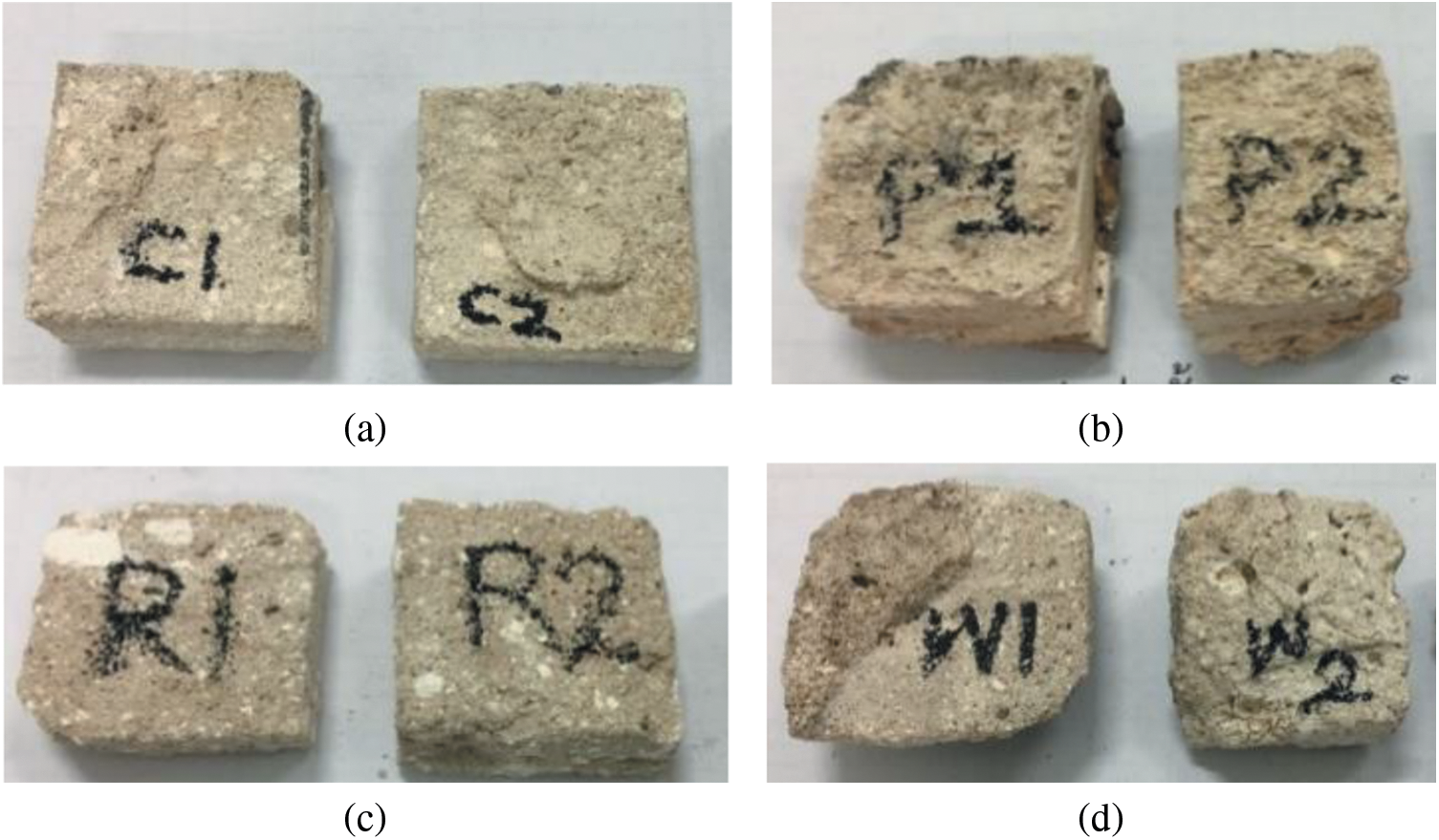
Mortars are an integral part in the construction of historical and even modern buildings. They are used in different parts of the building, such as mortar between bricks and stones, floor mortar, surface coating mortar and other parts of the building, so it is used to create a quality and stable building. Over time, efforts should be made to improve the quality of mortars and materials. The properties of gypsum mortars are influenced by the three main factors of mine type, baking method and the use of additives. For this reason, the purpose of this research is to investigate these factors. The results of the studies showed that in different mines and even different parts of the same mine, it is effective in creating differences in the properties of gypsum mortar; For example, in different mines, due to the conditions of the mine, such as the pressure on the gypsum crystals or the presence of impurities in the mine, crystals with different characteristics will be created. How to burn and prepare gypsum is also effective in determining the properties of these types of mortars. For example, baking gypsum at a temperature of 120 to 180 degrees Celsius will produce beta hemihydrate gypsum. Additives also affect the properties of plaster in different parts, which can include resistance effects (compressive, tensile and abrasion resistance), setting time and resistance to moisture; For example, it is magnesium oxide and aluminosilicates, each of which increases the compressive strength and setting time in plaster mortar.

find here: Yaghobzadeh H, Razani M. A Review of the Structure, Application, Production Process and Effect of Additives in Traditional Gypsum Mortar. JRA 2022; 8 (1) :185-205
URL: http://jra-tabriziau.ir/article-1-326-en.html

pdf

باستان‌سنجی در مطالعات میراث فرهنگی و هنر (تعاریف، گرایش ها و چالش های آینده)

Archaeometry in the Cultural Heritage Studies and Art (Definitions, Future Trends and Challenges)

Understanding and investigation of the principles, fundamentals, and the actions during the last century; following the emergence of the concept of “archaeometry” or “archaeological science”, that have encompassed the areas of cultural heritage, has have become a must for understanding the nature of scientific trends in archaeometry. Therefore, it is important to clarify the main definitions as the most important fundamental principles in conceptualization to create a common language. The purpose of this study was to investigate the origins of archaeometry by studying the approaches, areas, and boundaries of the related studies, to achieve the principles and basis of this scientific discipline. In Europe, archaeometric activities have been developed over the last century, with a focus on the topics and issues raised in the form of various interdisciplinary research approaches, and today, much of the research in this field of cultural heritage science is being conducted in an interdisciplinary approach, due to the variety of topics. According to a historical study of this interdisciplinary area of science, it can be said that archaeometry in the West has an archaeological origin and is related to the natural sciences. But in Iran, archaeometry was officially initiated under the domain of restoration of historical objects at the universities, began with the establishment of laboratories dedicated for archaeometrical studies in museums and research centers, and continued recently as an independent university discipline. Today, the most important axis of this scientific discipline includes: Characterization, Dating, Provenance, Authentication, Identification the objects application, Reconstruction of the ancient technologies, Science of conservation and restoration, Prospection & Remote sensing methods in archaeometry, Bioarchaeology, Geoarchaeology & Paleoclimatology, and Cyber-archaeology. The results of the investigations and studies realized in this research showed that due to the interdisciplinary nature of archaeometry in a discourse and research approach, it could not have a theoretical foundation. Meanwhile, understanding and adhering to the principles and foundations of the methodology of this interdisciplinary research approach in relation to the other sciences must be admitted. As if some rules and principles, such as the ethics in archaeometry, as a basic concern, have shaped the limitations and developed the archaeological methodological approach.

Razani M, Sehati F, B. Kasiri M. Archaeometry in the Cultural Heritage Studies and Art (Definitions, Future Trends and Challenges). JRA. 2021; 7 (1) :1-30
URL: http://jra-tabriziau.ir/article-1-225-en.html

ساختارشناسی ظروف مرمری دشت جیرفت و تطبیق با سنگ‌های مرمری پراکنده در شاخابه‌های هلیل و شور، در جنوب

Characterization of the Marble Stone Bowles of Jiroft Plain and Compare with Marble Stones Scattered in the Distributaries of Halil and Shour Rivers in Southeast Iran

  • Mehdi razani ,Ramin Mohamadi sefidkhani ,Bahram Ajorlo ,ahmad jahangiri

Assistant Professor, Faculty of cultural materials Conservation, Tabriz Islamic Art University, Tabriz, P. Iran.

M.A. Graduated Faculty of cultural materials Conservation, Tabriz Islamic Art University, Tabriz, Iran.

Associate Professor Faculty of cultural materials Conservation, Tabriz Islamic Art University, Tabriz, Iran.

Professor Faculty of Natural Science, University of Tabriz, Tabriz, Iran.

in order to study morphology and preparation process of raw material and production of marble containers in Jiroft Plain, field and morphological studies using petrography, XRPD and SEM-EDX methods have been conducted to study samples of South Konar Sandal Hill and confiscated works. The question of this article is about the structure of raw materials for the production of marble artifacts in Jiroft Plain and its relation with the tectonic domain of field. In this regard, seven ancient samples, two samples of Galoumaran Marble Mine and Qom Limestone Formation, and twelve samples of scattered rough rocks along the Halil River and Shur River near the mentioned ancient hills have been studied. After examining the results of petrography and the similarity of ancient samples, studied examples obtained from the cultural layers of South Konar Sandal Hill for further study using XRPD analysis and the confiscated samples - regarding the different characteristics of the other ancient samples in this paper - were selected for further study using the SEM-EDX analysis. The result of this research is the classification of marble species being commonly referred in archaeological studies and the introduction of the aragonite structure of marble containers in the southeast of Iran - extracted from sedimentary formations of springs. Moreover, due to the agreement between the results of this research and the geological map of Jiroft Plain and the presence of homogeneous rocks that can be generalized to ancient samples, localization of the preparation process of raw material is suggested

pdf

مطالعه ساختار معماری و سیستم آب‌رسانی حمام دستکند روستای تاریخی کهنمو شهرستان اسکو

عماری دستکند دامنه کوه آتش‌فشانی سهند ازجمله گونه‌های کمتر شناخته‌شده معماری ایران است که به‌صورت جسته‌ و گریخته برخی از بناهای شاخص آن موردمطالعه قرار گرفته‌است. ازجمله بناهایی که در معماری دستکند سهند در تمامی روستاها تقریباً نمونه‌هایی تاریخی و قابل‌توجه وجود دارد، حمام‌های دستکند هستند.

ازجمله ویژگی‌های این حمام که موجب می‌شود ارزش گونه­ شناسی معماری حمام­های دستکند دامنه سهند موردتوجه قرار گیرد و درواقع ضرورت و اهمیت این تحقیق حول آن است، می­توان به سیستم‌های آب‌رسانی و چگونگی ارتباط فضایی با توجه به محدودیت‌هایی فضایی در بدنه صخره‌ای اشاره نمود. روش تحقیق در رابطه با این بنا استفاده از مطالعات میدانی با حضور در محل و همچنین استفاده از روش‌های مستندسازی برای فرایند ایجاد فضاهای معماری و همچنین سیستم آب‌رسانی در کنار روش‌های ساخت‌وساز بوده‌است. هدف این مقاله، معرفی یافته‌های جدید درباره­ی معماری دستکند حمام کهنمو به­ عنوان یکی از حمام‌های خالص و دست‌نخورده دامنه سهند است و سؤالاتی از قبیل: ویژگی­های معماری و کالبدی حمام کهنمو از لحاظ ساخت فضاهای دستکند چیست؟ سامانه تأمین آب و گردش آن در فضاهای داخلی حمام در این ناحیه کوهستانی چگونه بوده‌است؟ را پیگیری می­کند. تحقیق پیش‌رو با استفاده از بررسی­های کتابخانه‌ای، مطالعه میدانی و مستندنگاری انجام‌ شده‌است.
ازجمله ویژگی­های قابل‌توجه حمام کهنمو سیستم آب‌رسانی و گردش آب آن است که به‌وسیله آب قنات و سیستم‌های گرمایشی آب را به‌طور مناسب برای کاربردهای گوناگون خزینه در فضای داخل حمام تهیه می‌نموده است. به‌علاوه عمده مصالح ترکیب‌شده با این‌گونه معماری در نمونه­های اصیل، سنگ­های پراکنده موجود در محیط کوهستان و قلوه‌سنگ‌های آتش‌فشانی در بستر رودخانه­های دره­های سهند هستند؛ و همچنین در ساخت فضاهای تکمیل‌کننده و یا تعمیری از ملاط­های بوم آورد پایه گلی استفاده‌ شده‌است. امروزه در نمونه‌های جدید در کنار مصالح قدیمی از ملاط ماسه و سیمان استفاده زیادی می­شود.

واژه‌های کلیدی: معماری دستکند، روستای کهنمو، حمام تاریخی، آب‌رسانی.

مهریار سعید، رازانی مهدی. مطالعه ساختار معماری و سیستم آب‌رسانی حمام دستکند روستای تاریخی کهنمو شهرستان اسکو. مسکن و محیط روستا. ۱۴۰۰; ۴۰ (۱۷۴) :۱۱۹-۱۳۴

 دریافت مقاله از اینجا 

URL: http://jhre.ir/article-۱-۲۱۵۹-fa.html
 

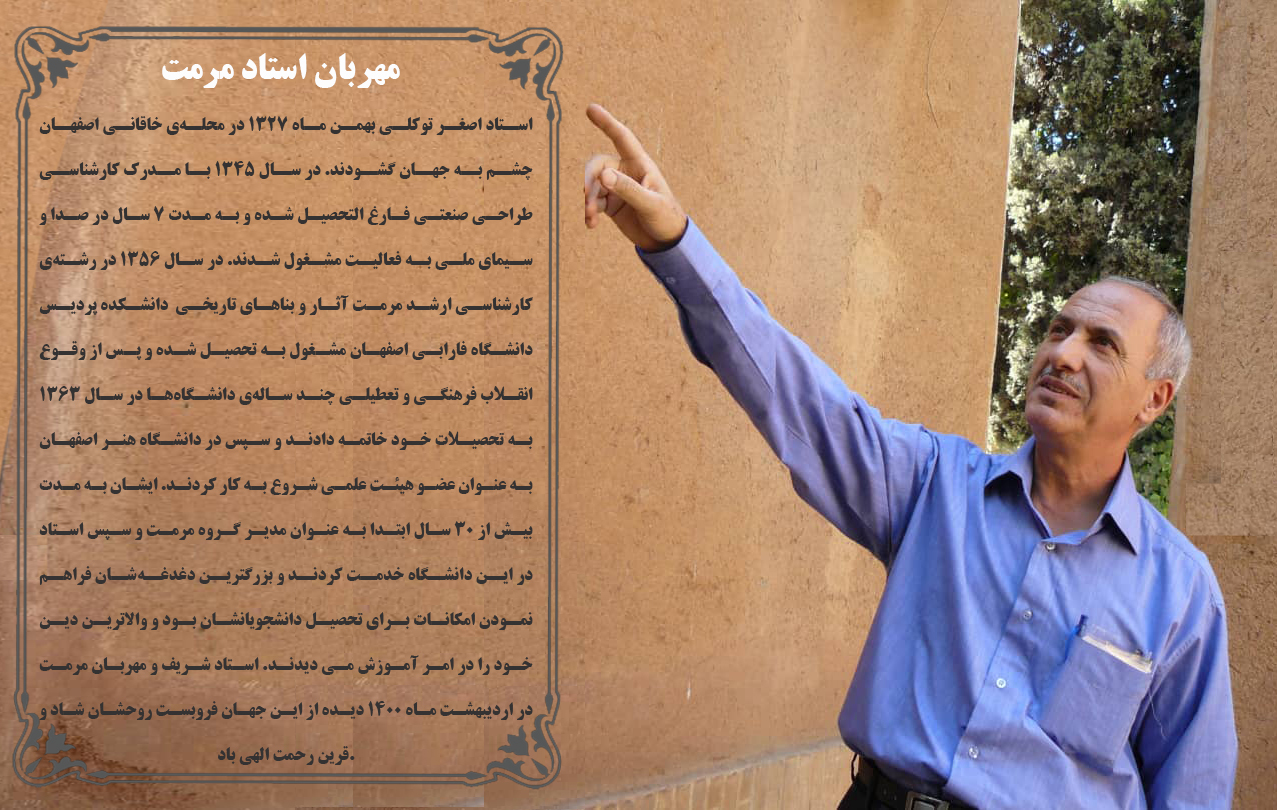
فیلم مستند استاد توکلی ( مهربان استاد مرمت)


شب مهربان‌استاد مرمت
استاد اصغر توکلی به روایت دلنشین از زبان دانشجویان، همکاران و دوستداران ایشان
تهیه شده در پایگاه میراث شفاف
به کوشش
دکتر مهدی رازانی
تدوین و مونتاژ
لیلی نعمانی خیاوی
صدا پیشه و گفتار متن
سرکار خانم شهلا ذبیحی و جناب آقای محمد امین صباغیان

برای دریافت فیلم بر روی لینک کلیک کنید 


معماری خاکی منتشر شد

پل جاکواین، چارلز اوگارد،(1397) .معماری خاکی، تاریخچه، شناخت علمی، حفاظت و مرمت، تدورین و ترجمه: مهدی رازانی، بابک حجتی، تبریز: دانشگاه هنر اسلامی تبریز [نسخه اصلی 2015].

لینک محتوای کتاب در صفحات اولیه اینجا

حرید از اینجا

ارزیابی ملاط‌های پایه آهکی در حفاظت از بقایای معماریِ حاصل از کاوش‌های باستان‌شناسی


چکیده

مرمت بقایای معماری بعد از کاوش­های­ باستان­شناسی از مسائل مهم موردتوجه باستان­شناسان و مرمتگران آثار تاریخی است، مواجهه آثار کاوش شده و از زیر خاک بیرون آمده با شرایط خرد اقلیم جدید ( که دارای نوسانات رطوبتی و برودتی متفاوتی از قبل است) موجب تغییر تعادل  مصالح معماری و تخریب زودرس آن می‌گردد، این امر به­ ویژه در شمال و شمال غربی کشور باعث تسریع فرآیند تخریب آن‌ها می­گردد. ازجمله روش­های کاهش فرآیند تخریب ایزوله سازی بقایای معماری با ملاط‌­های سازگار باشد. در این تحقیق برای بهینه­سازی ملاط‌های پایه آهکی از پوزولان­های طبیعی شامل: خاکسترهای پوسته برنج، فضولات حیوانی ­و چوب استفاده گردید و از ترکیب این مواد با خمیر آهک 6 رده­ ملاط‌های آهک -پوزولانی تهیه شد. در ادامه باهدف تعیین نمونه منتخب از لحاظ دوام و استقامت در مقابل چرخه­های طبیعی، از آزمون­های پیرسازی تسریعی (شامل چرخه‌های تر و خشک شدن، حمله نمک­ها و چرخه­های مبنی بر انجماد و یخ گشایی) و مقایسه خواص فیزیکی(چگالی، جذب آب ، تخلخل) برای کلیه رده­های ملاط استفاده گردید. نتایج نشان داد ملاط­های دارای پوزولان خاکستر فضولات حیوانی در مقابل چرخه­های پیرسازی و سایر آزمایش‌های فیزیکی مقاومت بهتری دارند؛ درنهایت با آنالیزهای XRD و XRF عناصر تشکیل‌دهنده پوزولان­ ها و فازهای تشکیل‌شده در ملاط منتخب مشخص گردید.

رازانی, مهدی, داداش زاده, نسرین. (1399). ارزیابی ملاط‌های پایه آهکی در حفاظت از بقایای معماریِ حاصل از کاوش‌های باستان‌شناسی. مطالعات باستان شناسی, 12(3), 67-92. doi: 10.22059/jarcs.2020.271630.142655

 دانلود مقاله اینجا

شناخت و معرفی مجموعه قلعه ماکو (استان آذربایجان غربی)

چکیده

نمونه شاخصی از قلعه‌های تاریخی ایران در منطقه آذربایجان وجود دارد. یکی از نقاطی که در تاریخ طبیعی، سیاسی، تاریخی و فرهنگی منطقه در عرصه هنر معماری ایرانی قابل‌مطالعه بوده و به‌دلیل صعب‌العبوربودن، هنوز دست‌نخورده باقی مانده است، مجموعه تاریخی قلعه ماکو با برج و باروهای مستحکم و مشرف ‌به شهر کنونی است که نوعی معماری زیرصخره‌ای ایران محسوب می‌شود، اما همچنان بخش بسیاری از ساختارهای معماری آن در زیر لایه‌های واریزه فرسایشی صخره قرار دارند. محدوده قلعه از کوه قیه که قلعه در زیر سایبان آن قرار دارد شروع می‌شود و تا خیابان طالقانی شهر جدید ماکو ادامه دارد. این قلعه در گذشته بافت اصلی شهر با حصارها، برج و باروهای بلند، پادگان نظامی و مراکز اقامتی و خدماتی را شامل می‌شده است. این پژوهش با هدف معرفی مجموعه تاریخی قلعه (شهرستان ماکو) به‌عنوان یکی از نمونه‌های نادر معماری زیرصخره‌ای جهان انجام شده و به‌دلیل قرارگیری آن در شاه‌راه ورود به ایران در دوره‌های تاریخی از اهمیت زیادی برخوردار بوده است. در این پژوهش که بر پایه تحقیقات میدانی و مطالعات تاریخی و نتایج یک فصل باستان‌شناسی انجام شده، به ویژگی‌های تاریخی و جغرافیایی و معماری سازه‌های قلعه پرداخته شده است.

واژه‌های کلیدی: معماری صخره‌ای، قلعه قبان، شهرستان ماکو، معماری سنگی، حمام تاریخی

برای دریافت مقاله اینجا کلیک کنید.

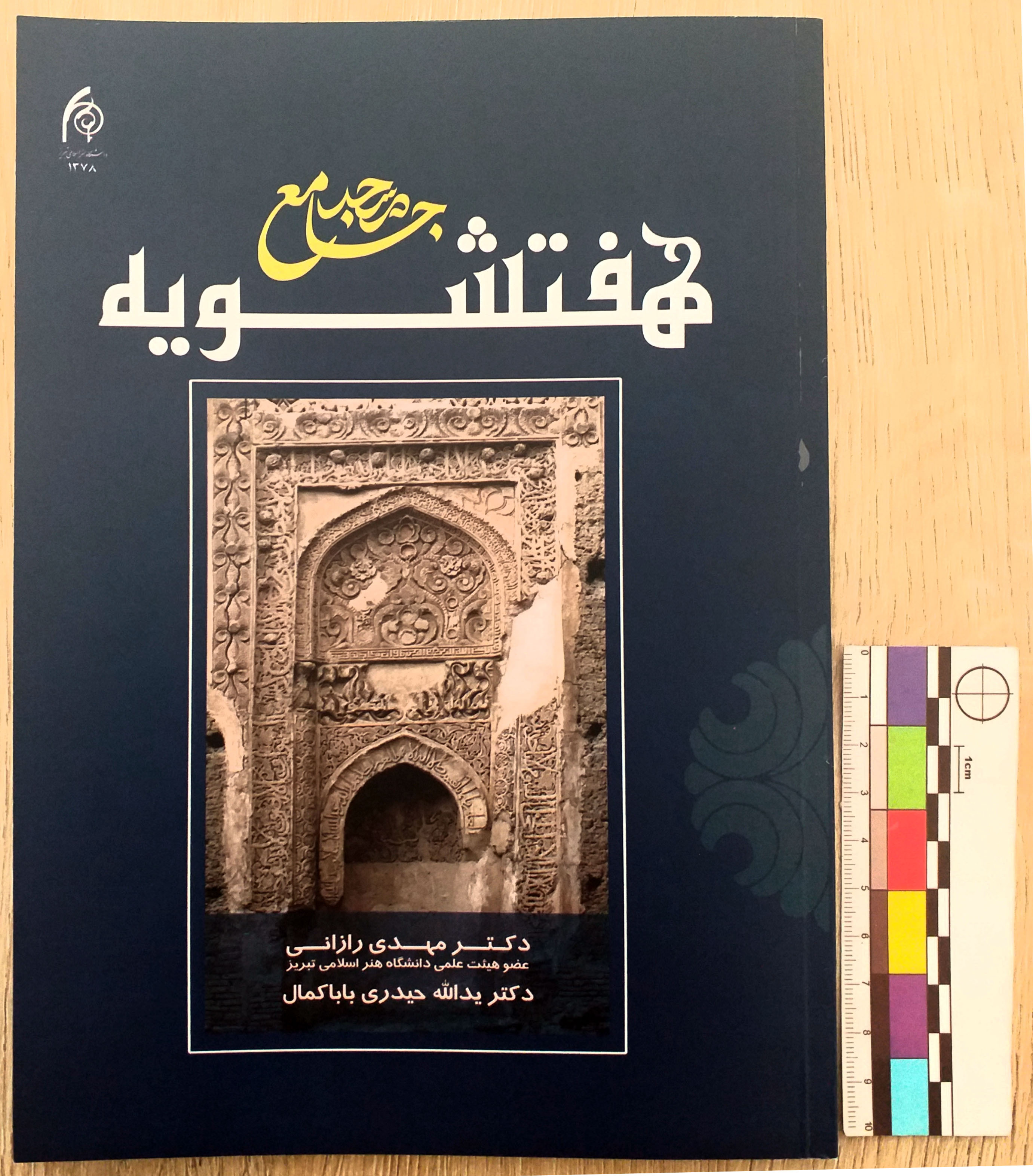
مسجد جامع هفتشویه


بناهای مذهبی از دوران پیش از تاریخ تا زمان حاضر، نقش مهمی در تشکیل عناصر ساختاری شهرها، سکونتگاه­ها و حتی روستاها ایفا کرده­اند. کاوش­های باستان­شناسی و شواهد تاریخیِ موجود، نشان می­دهند که معابد و اماکن مذهبی در دوره­های قبل از اسلام همواره یکی از مراکز کانونی تجمع مردم برای انجام مراسم آیینی بوده­اند. در دوران اسلامی و با حاکم شدن ایدئولوژی جدید، فضاهای معماری و شهرسازی نیز تغییر یافت و افراد با ساختن مسجد در مهم‌ترین نقطۀ شهر یا روستا، توانستند جایگاه مقدس مکان عبادت در برابر معبود را حفظ کنند. مسجدها در ابتدا با الگو گرفتن از خانۀ پیامبر، فاقد عناصر وابستۀ مشخصی بودند؛ اما رفته­رفته، الحاقات فراوانی یافتند. افزوده شدن قسمت­های مختلف از جمله محراب، منبر، مناره و مقصوره و اجرای تزیینات فاخر آجرکاری، گچ‏بری و کاشی­کاری سبب شد تا مساجد علاوه بر کارکرد اصلی­شان به عنوان محل عبادت، تبدیل به مکانی جهت شکوفایی استعداد هنرمندان شوند. در ایران نیز مانند سایر کشورهای اسلامی، معماران و هنرمندان در دوره­های مختلف حداکثر تلاش خود را به کار بستند تا مساجد را هر چه زیباتر و ماندگارتر بسازند؛ گاهی نیز این هنرمندان به منظور استفادۀ مجدد از این مساجد، به تعمیر آن­ها همت گماشتند. مسجد جامع هفتشویه در نواحی شرقی شهر اصفهان، ازجمله مساجدی است که طی چند قرن و با وجود الحاقات فراوان، تا حدی توانسته به حیات کالبدی خود ادامه دهد. این تحقیق، در تلاش است با شناخت و معرفی مسجدِ مذکور به علاقمندان هنر و معماری ایران، در حفاظت از آن سهمی هر چند کوچک ایفا کند. پژوهش پیشِ رو با اتکا به مستندات و شواهد موجود، اعم از گزارش­های تاریخی، تصاویر قدیمی و نگاشته­هایی که تمامی پژوهشگران گذشته و کنونی در ارتباط با این مسجد مهم قرون میانی اسلامی ارائه کرده­اند، به گردآوری مطالب و تجزیه و تحلیل آن‌ها پرداخته­است.

این کتاب در چهار فصل تدوین شده‏است: در فصل نخست، مقدمه، کلیات تحقیق، موقعیت قرارگیری مسجد در ناحیه قُهاب اصفهان، راه­های دسترسی به آن و وجه تسمیۀ روستا و مسجد بیان شده‏است. فصل دوم به شناخت تاریخی و باستان­شناسی مسجد جامع هفتشویه اختصاص دارد. در این فصل به طور مختصر، برجسته­ترین ویژگی­های تاریخی ـ اجتماعی دوره­های سلجوقی و ایلخانی در نواحی مرکزی، پیشینۀ مطالعه­های مستقیم در باب مسجد جامع هفتشویه و آرایه­های آن و همچنین مطالعه­های تطبیقی در گاه­نگاری آن مورد بررسی قرار گرفته‏است. در فصل سوم پس از تبیین مطالب کوتاهی در رابطه با هنر و معماری دوره­های سلجوقی و ایلخانی در نواحی مرکزی ایران، به شناخت کالبدی و اجزای معماری مسجد جامع هفتشویه پرداخته شده‏است. در فصل چهارم کلیۀ مطالب مربوط به بقایا و آرایه­های موجود در مسجد جامع هفتشویه شامل آرایه­های گچی، آجرکاری، کاشی­کاری و همچنین محراب ارزشمند بنا تبیین شده و با نگاهی به وضعیت حاضر بنا برخی از مهمترین مسائل حفاظتی مربوط به آن مورد بررسی قرار گرفته‏است.

نگارندگان بر خود لازم می­دانند از تمام کسانی که در راستای تدوین و به اتمام رسیدن این پژوهش قدمی برداشته­اند، سپاسگزاری نمایند:

از جناب مهندس احمد منتظر، دکتر عیسی اسفنجاری، دکتر یاسر حمزوی، دکتر عبدلله میرزایی که راهنمایی­هایشان جهت درک معماری و تزئینات مسجد راه­گشا بود، سپاسگزاری می­کنیم.

 از آقایان میثم براری، فریبرز ولی پور، دکتر بهشاد حسینی، مهندس ایمان پیمانی، علی مسافری ضیاءالدینی، محسن انصاری و هانی زارعی، مهدی صدقی، سجاد عباسیان شاندیز و خانم­ها فتانه فرید و فاطمه صحتی، به جهت یاری رساندن در تکمیل اسناد مربوط به مسجد در مقاطع مختلف چند سال اخیر، قدردانی می­شود.

و همچنین همراهی­های خانم­ها مهندس راضیه لاله، لاله امانی، مریم پور اسماعیلی، مهندس نورا مهرآیین و آقایان پرهام میردامادی، مجید درختی، علی عطریان، علیرضا سهیلی پور، و میلاد محمدی در تهیۀ برخی طرح­ها، نقشه­ها و اسکیس­ها جای سپاسگزاری ویژه دارد.


مهدی رازانی/ یدالله حیدری باباکمال

 برای تهیه کتاب به سایت انتشارات دانشگاه هنر اسلامی تبریز مراجعه فرمایید.

اینجا

فهرست و دیگر اطلاعات شناسنامه کتاب  اینجا