باستانشناسی و ساختارشناسی سنگنبشته میخی اورارتویی سقیندل ورزقان، آذربایجانشرقی، ایران
چکیده
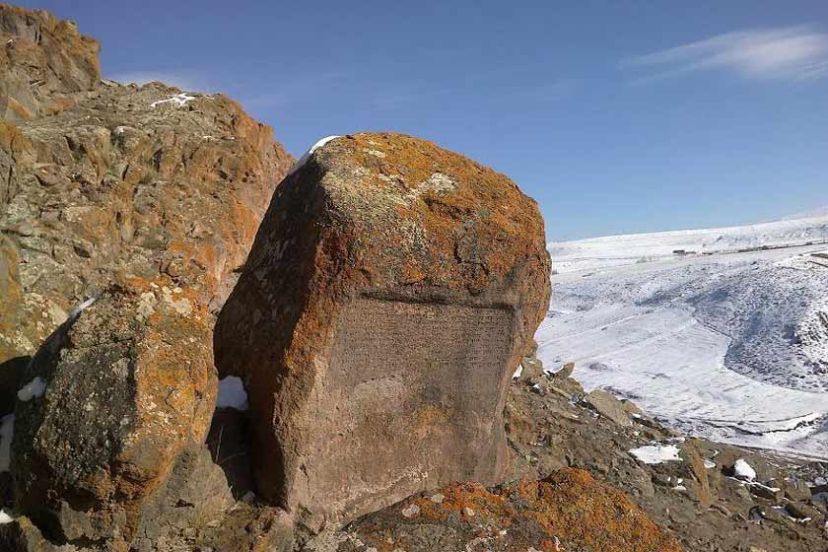
سنگنبشته سقیندل واقع در بخش مرکزی شهر ورزقان، استان آذربایجانشرقی بر بدنه یک تختهسنگ مربوط به سالهای حدود 750-733 پم به خط میخی اورارتویی نقر شده و بهسبب عوامل گوناگونی دچار آسیبدیدگی شده است. هدف از انجام پژوهش پیشرو، انجام مطالعات آزمایشگاهی برای ساختارشناسی این سنگ است و در همین راستا مهمترین سؤالات پژوهش چنین است که باستانشناسی و زمینشناسی سنگنبشته اورارتویی سقیندل چیست؟ خواص فیزیکی، شیمیایی و ساختارشناسی سنگنبشته میخی اورارتویی سقیندل چیست؟ برای دستیابی به پاسخ این سؤالات، علاوهبر مطالعات تاریخی و باستانشناسی، بررسیهای میدانی و مطالعات آزمایشگاهی، بررسی مقطع نازک و پتروگرافی سنگ، پراش پرتوایکس (XRD) و فلورسانس اشعه ایکس (XRF) انجامشده است. در همین راستا، برای سنجش خواص فیزیکی و میزان مقاومت سنگ در برابر عوامل مختلف: آزمونهای چگالی و تخلخل سنجی، نرخ جذب و محتوای آب نمونه صورت گرفته است. نتایج مطالعات ساختارشناسی نشاندهنده آن است که سنگبستر از جنس تراکی-آندزیتی بوده و گزارش زمینشناسی نیز وجود تودههای تراکی-آندزیتی در دامنه کوه زاغی محل قرارگیری آن را تأیید میکند، بهعلاوه، نتایج حاصل از آزمونهای فیزیکی و شیمیایی بیان میدارد که سنگهای بهکاررفته در ساخت سنگنبشته دارای مقاومت نسبتاً خوبی بوده اما بهعلت قرارگیری در برابر عوامل فرایندهای محیطی مانند اقلیم سرد و کوهستانی، بادهای دائمی دچار آسیبهای متعددی گشته که عمدتاً ناشی از هوازدگی فیزیکی و شیمیایی است.
دانلود اینجا
Archaeology and Structural Analysis of the Urartian Cuneiform Stone Inscription of Saqindel of Varzeghan, East Azarbaijan, Iran
This research aims to conduct laboratory studies on the structural and pathological analysis of the Urartian cuneiform stone inscription in Saqindel, located in central Varzeghan city, East Azarbaijan Province. Engraved on a stone slab, the existing inscription dates back to approximately 733–750 BC but has been damaged due to various factors. The main research questions are: What are the archaeological and geological characteristics of the Urartian stone inscription in Saqindel? What are the physical, chemical, and structural properties of the inscription? To answer these questions, in addition to historical and archaeological studies, field investigations and laboratory analyses—including thin section and petrographic analysis, X-ray powder diffraction (XRD), and X-ray fluorescence (XRF)—have been conducted. In this regard, tests such as density, porosity, absorption rate, drainage, and water content were carried out to assess the physical properties and resistance of the stone to various factors. The structural analysis results indicate that the bedrock is composed of Trachy-andesite, which is confirmed by geological reports of Trachy-andesite masses in the Zagh mountain range. Furthermore, the results of the physical and chemical tests show that the stones used in the inscription have relatively good resistance. However, due to their exposure to cold, mountainous conditions and environmental factors like persistent winds and a harsh climate and biological deterioration, the stones have undergone weathering and sustained various damages, primarily caused by physical and chemical weathering.
 Welcome to the blog of Dr. Mehdi Razani, an expert in the conservation and archaeometry of cultural heritage. Here you will find his latest writings and articles related to the fascinating fields of Iran's art and cultural heritage sciences. Join us on this thrilling journey